Film & Television
Forrest Gump (1994): How ILM Put Tom Hanks Into the News
The Forrest Gump visual effects (1994) are some of the most famous invisible effects ever made. Industrial Light & Magic put Tom Hanks next to Kennedy, Johnson, Nixon and John Lennon in old news footage. We looked at how, and at the tracking algorithm that made it practical.
Ken Ralston supervised the effects. The Oscar for Best Visual Effects went to Ralston, George Murphy, Stephen Rosenbaum and Allen Hall.
1. The newsreel shots
Hanks was filmed against blue screen, with markers so ILM could line him up with the archive footage. Voice actors recorded new lines, and the lip movement of the people in the footage was altered to match.
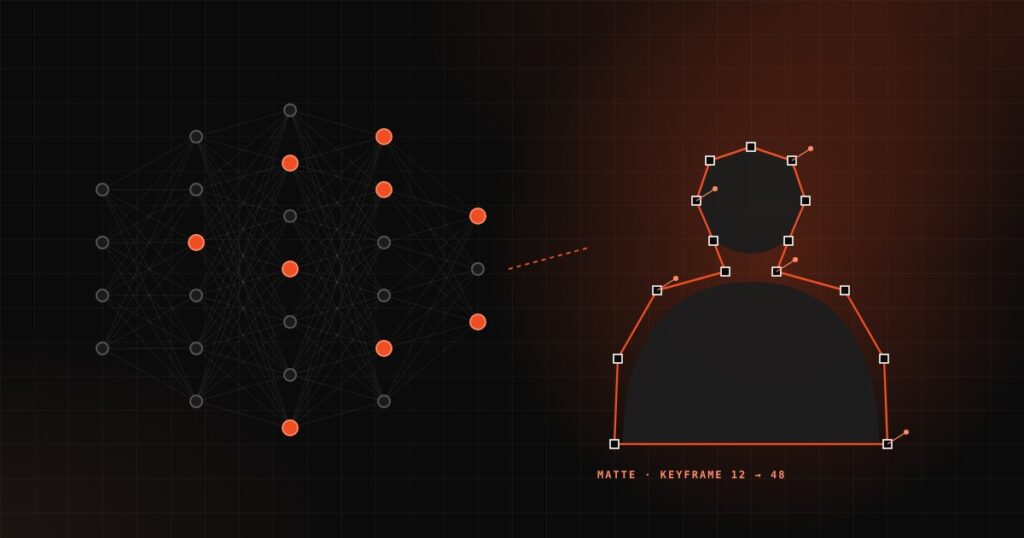
The work was a mix of techniques. ILM used chroma key, warping, morphing, rotoscoping and compositing. It also had to match colour, camera shake and the film grain of the old footage.
2. The tracking problem
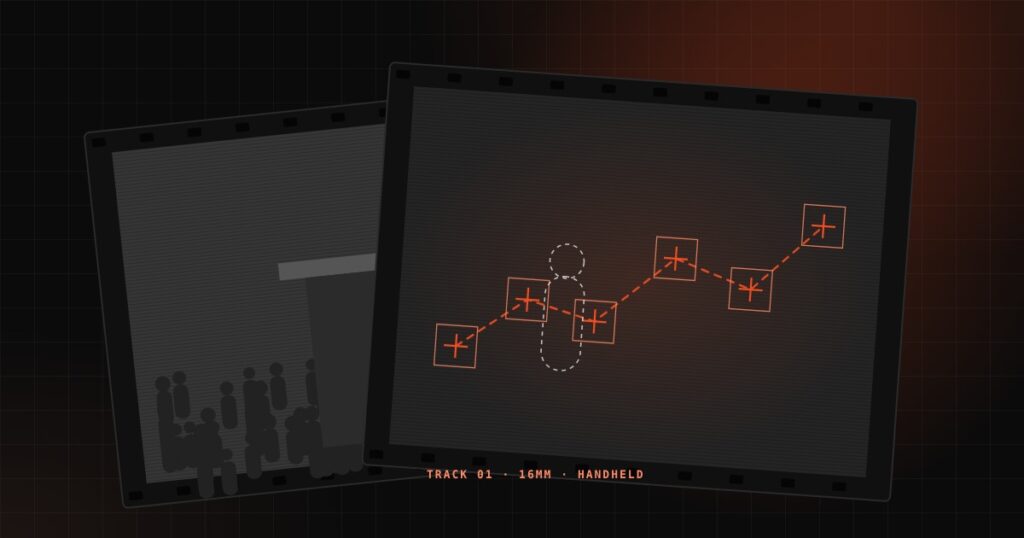
A lot of this footage was old 16mm film. It was handheld, it zoomed, and it moved. To place Hanks in it, ILM had to track the camera very accurately.
ILM’s existing tracker used cross-correlation. On the 50 MHz Silicon Graphics machines of the time, it took many hours to track a single point in a single shot.
JP Lewis joined ILM in 1993. He sped the tracker up with a method in the Fourier domain. It used precomputed running sums to normalise the correlation. It also handled rotation, scale and perspective. The algorithm went first into a match-move tool called Repo, which Lewis wrote with John Horn. Later it went into other tools. The algorithm has about 3,000 academic citations.

3. Lt. Dan’s missing legs
Gary Sinise’s legs were wrapped in blue fabric. A roto-paint team then removed them, frame by frame. The production also used practical tricks, such as holes cut in beds and blankets.
4. The crowd at the Reflecting Pool
About 1,500 extras were filmed over two days. They were rearranged for each take. ILM then multiplied them digitally into several hundred thousand people.

5. The ping-pong ball
Hanks and the other players mimed the game to a metronome. Almost every ball was added by computer. The championship stadium was a small set, enlarged digitally. ILM also fixed small things, such as upside-down flags in the background.
What it means today
- A faster tool changed what was possible. The tracker made shots affordable that weren’t before.
- Real footage came first. The effects fit the footage, not the other way round.
- Small fixes matter. Flags, birds and crowds make a shot feel real.
If you have archive footage or a tracking problem, see our work or get in touch. Happy to talk it through.
Which invisible effect is your favourite? Let us know.
Sources and references
- ILM: Forrest Gump (ilm.com).
- Wikipedia: Forrest Gump; Ken Ralston; list of accolades received by Forrest Gump.
- oscars.org: 67th Academy Awards ceremony page.
- befores & afters: “How a tracking algorithm helped insert Tom Hanks into news scenes with historical figures in Forrest Gump”.
- Spokesman-Review: “Lie to us: special effects reaching new heights” (1995).
- Looper: Forrest Gump without special effects.