How Masters of the Universe Built Eternia: A Look Behind the Visual Effects
- Film & Television, Visual Effects & VFX Breakdowns
- cleanup, Compositing, green screen, match moving, Rotoscopy, visual effects
- June 14, 2026
One of the biggest surprises coming out of the new Masters of the Universe film isn’t the visual effects—it’s how much of the movie was built for real.
In an era where entire worlds are often created inside a computer, the filmmakers behind Masters of the Universe chose a different route. Visitors to the set reported being greeted by enormous practical environments, full-scale structures, detailed costumes, and physical props that looked like they had stepped straight out of Eternia. Instead of actors standing in front of green screens, many scenes were filmed inside tangible environments that artists could later enhance digitally.
The production’s Power Sword is a great example. On set, actors wielded a fully built hero prop rather than a placeholder object. The visual effects teams could then focus on adding energy effects, magical glows, and environmental interactions while preserving the realism that comes from a physical object being present during filming.
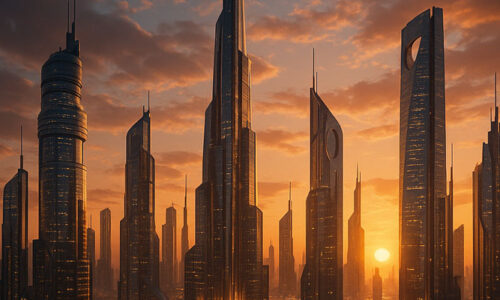
What makes the project particularly interesting from a VFX perspective is the hybrid approach. Rather than replacing practical work with CGI, the effects studios used digital tools to extend sets, enhance costumes, create creatures, and add the impossible elements that bring Eternia to life. Massive castles become even larger. Landscapes stretch beyond the horizon. Practical armor gains subtle digital enhancements. The result is a world that feels grounded despite its fantasy setting.
Reports from set visits described enormous workshop areas filled with weapons, armor, and creature designs. Some journalists commented that it felt more like the production style of classic fantasy films than a modern superhero movie. That’s a philosophy many visual effects artists appreciate. When production design, costumes, special effects, and VFX work together, the final images often feel more believable than scenes created entirely in CG.
While the studios involved have not publicly detailed every tool used, productions of this scale typically rely on a combination of Autodesk Maya for animation, Houdini for simulations and effects, Nuke for compositing, and Unreal Engine for visualization and virtual production workflows. The challenge is rarely the software itself—it’s making hundreds of artists across multiple facilities work together to create a seamless final image.
The lesson from Masters of the Universe is one that visual effects professionals already know: the best VFX is often the work audiences never notice. When practical filmmaking and digital artistry blend together successfully, viewers simply believe they’re looking at another world.
And from everything we’ve seen so far, Eternia looks very real indeed.
Credit : ChatGPT, Youtube Channel “SBNEnter” and IMDB Cover Image
#thecglab #cglab #vfx #He-Man