
Ultimate Forecast : How to Predict VFX AI 2027 with Proven Tools
- Industry Forecasts, VFX Trends
- AI asset creation, AI in film production, cloud pipelines, future of VFX, licensing strategy, predictive forecasting, real-time rendering, VFX AI tools
- August 23, 2026
Introduction
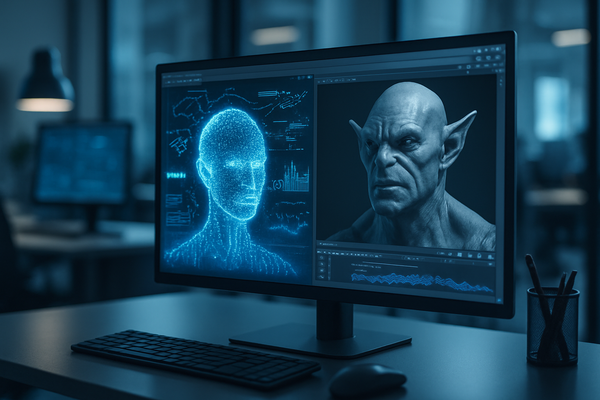
The pace of AI adoption in VFX has exploded since 2024, with near-real-time rendering, AI-assisted asset creation, and cloud-driven pipelines reshaping how films are produced. A data-driven forecast today helps studios dodge bottlenecks, manage licensing churn, and close skills gaps before they appear. In this post, you’ll learn how to forecast VFX AI in 2027 using a proven framework, what toolchains are maturing (2024–2027), practical steps to future-proof your VFX pipeline (including regional considerations like Mumbai), and a concise, actionable blueprint with CG Lab’s perspective baked in. The goal: a modular, scalable approach you can apply across projects and studios.
What you’ll learn includes :
- A data-informed method to forecast VFX AI 2027 and map the toolchain lifecycle.
- The key AI toolchains and where they are maturing from 2024 to 2027.
- Practical considerations for future-proofing pipelines, skills, and regions such as India/Mumbai.
- An actionable blueprint for evaluating and adopting tools at studio scale, with CG Lab as a grounded reference.
Framing the Forecast — The Nature of VFX AI Change
Why forecasting VFX AI 2027 matters for studios
Forecasting helps avoid bottlenecks, licensing churn, and skills gaps. It enables a deliberate path toward future-proof VFX AI toolchains and AI toolchains for film production, rather than reactive upgrades.
Core drivers shaping the 2027 landscape
- Model efficiency and automation depth are accelerating, with on-prem versus cloud choices tightening tolerance windows.
- Real-time rendering and tighter pipeline integration push teams toward flatter feedback loops.
- Regional trends, including VFX automation with AI in India, are expanding capacity and introducing cost-effective capabilities in markets like Mumbai.
The 2024–2027 Toolchain Trajectory
What is machine learning for VFX + AI tools list 2024–2027
Core ML concepts relevant to VFX include neural rendering, diffusion-based upscaling, and scene understanding. By 2027, expect an evolved AI tools list that segments into asset creation, simulation, compositing, upscaling, and QA, with clearer handoffs between stages.
AI-driven VFX workflows and the toolchain architecture
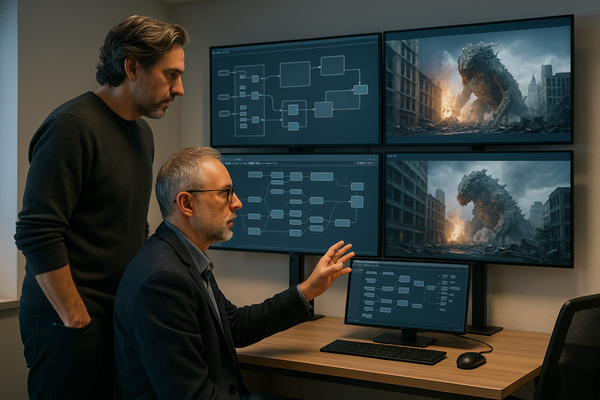
An end-to-end AI-driven workflow often follows:
- Asset creation → Layout → Lighting → Rendering → Compositing → Review.
Automation reduces manual steps in areas like look development and denoising, with notable growth in AI-driven tooling in regions such as Mumbai.
Practical Forecasting Methodology — How to Predict VFX AI 2027
A data-driven forecasting framework
A simple yet robust framework combines trend analysis, vendor roadmaps, pilot learnings, and regional capabilities. Indicators to watch include performance gains, price/performance shifts, API/SDK maturation, and interoperability standards.
Selecting signals and risk factors
Signals to monitor:
- Accuracy / quality gains and latency reductions
- Depth of integration with NLEs and compilers
- Open standards and interoperability
- Talent availability and training cycles
Risk considerations :
- Vendor lock-in and data governance
- Security and cross-studio collaboration friction
Area-Specific Roadmaps — Toolchains by Function
Asset creation, simulation, and look development
AI tools for 3D asset creation, physics-based simulation acceleration, and AI-assisted look-dev are maturing. This area benefits from low-competition AI VFX tools, and CG Lab’s forecasting perspective suggests early pilots can enable differentiation without overwhelming licensing costs.
Rendering, compositing, and pipeline orchestration
Expect AI-driven render optimizations, upscaling, and denoising to reduce frame times and rework. Pipeline patterns increasingly favor modular AI toolchains with regional considerations such as “VFX pipeline AI tools Mumbai,” balancing cloud and on-prem options for cost and latency.

Implementation Playbook for Studios
How to start future-proofing today
- Audit current toolchain and map gaps to 2027 needs.
- Run pilot projects with clear success metrics.
- Plan staff upskilling and explore partnerships (including CG Lab’s capabilities) to supplement internal teams.
Measuring success and governance
Key KPIs: time-to-shot, render cost per frame, rework rate, and forecast accuracy of pipeline improvements. Governance should cover data standards, model maintenance, ethics, and vendor evaluation.
Conclusion
A data-driven approach to forecasting VFX AI 2027 helps studios build a flexible, modular toolchain aligned with global trends and regional capabilities (notably India/Mumbai). By tracking performance, interoperability, and talent readiness, you can reduce risk and accelerate creative delivery. If you’re seeking a grounded, practice-oriented forecast and toolchain mapping, CG Lab offers perspective and collaboration options to tailor the framework to your studio. Start small with pilots, build a modular stack, and evolve toward AI-driven VFX workflows 2030 and beyond.
Sources & References
- AI in VFX Market Size, Trends & Growth | Industry Report – SNS Insider
- ENTERING 2026, VFX/ANIMATION INDUSTRY BALANCES UNCERTAINTY AND OPPORTUNITY – VFX Voice
- 11 Motion Design Trends for 2026: AI Workflows …
- Exploring the Trending Technology in Animation and VFX course for 2026
- Visual Effects (VFX) Market to Grow by USD 15.24 Billion (2025-2029 …
- AI job market insights: Growth and challenges
